As temperatures begin to cool and the seasons change, fall is a good time to give your landscape beds a little attention. One simple way to prepare your yard for the months ahead is by adding a fresh layer of mulch. In Central Texas, fall mulching helps maintain soil moisture, reduce weed growth and protect the soil as temperatures fluctuate. Whether you're refreshing existing landscape beds or preparing a new planting area, choosing the right mulch and applying it at the right depth can make a difference. Here's what to know about fall mulching in Central Texas, including when to get started, which mulch to choose and how much you'll need.
1. Why Is Mulch Important During the Winter?
Mulch does more than give landscape beds a finished appearance. It creates a protective layer over the soil that supports the surrounding landscape throughout the year. During the cooler months, mulch can help:
Retain soil moisture: Mulch slows moisture loss from the soil, which can be especially helpful during Central Texas' dry winter periods.
Reduce weed growth: A layer of mulch helps limit the amount of sunlight reaching weed seeds, reducing the opportunity for unwanted growth.
Reduce soil erosion: Mulch helps protect exposed soil from being displaced by rainfall.
Protect plant roots: A layer of mulch helps moderate soil temperature as outdoor conditions change. Organic mulches, such as hardwood and cedar, also break down over time and contribute organic matter to the soil.
2. When Should You Mulch in Central Texas?
October and November are good months to refresh landscape beds in Central Texas, ideally before the first freeze. Fall mulching gives your landscape time to benefit from the added ground cover before winter temperatures arrive. A few things to keep in mind when planning your project:
Prepare beds first. Remove existing weeds, debris and excessive leaf buildup before spreading fresh mulch.
Mulch after planting. If you're adding new trees, shrubs or perennials, apply mulch after planting to help protect the surrounding soil.
Don't skip late-season mulching. Even if you miss the ideal fall window, adding mulch later can still help retain moisture and reduce weed growth.
3. What Is the Best Mulch for Central Texas Landscapes?
The best mulch depends on the look you're going for and the needs of your landscape. Garden-Ville offers several mulch options to accommodate different landscaping projects, whether you're refreshing front beds, maintaining trees and shrubs or adding organic matter to your soil. Here are a few options to consider:
Hardwood Mulch: A versatile option for landscape beds, trees and shrubs. This double-ground, naturally aged mulch provides a traditional natural appearance.
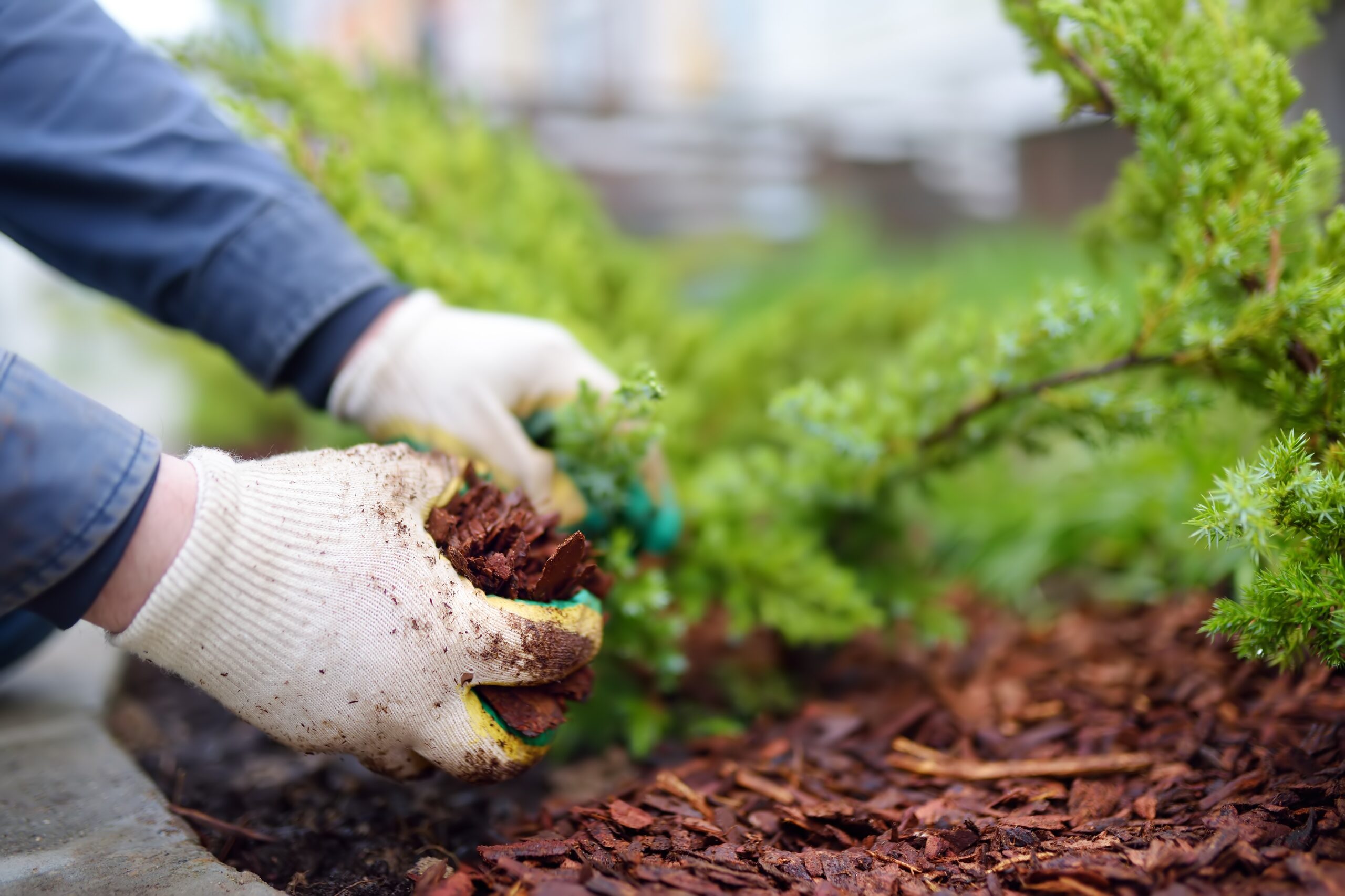
Cedar Mulch: A good choice for those looking for a reddish-brown color and the familiar aroma of cedar.
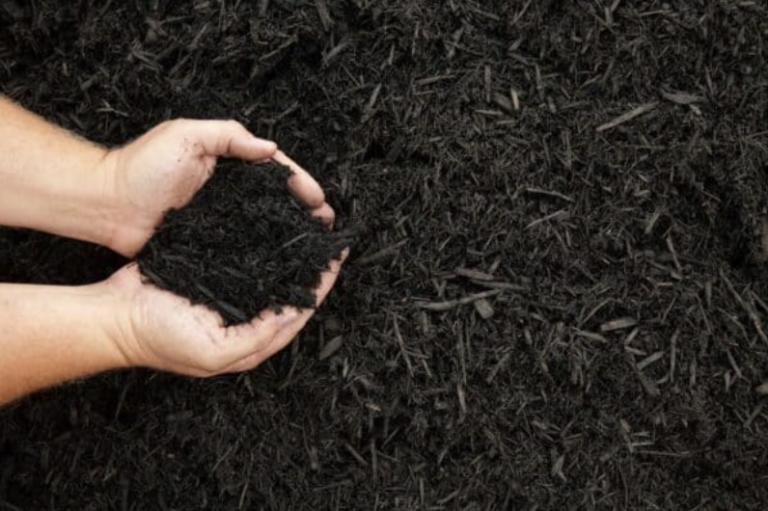
Black Mulch: Offers a darker, finished appearance that works well in landscape beds and around plants.
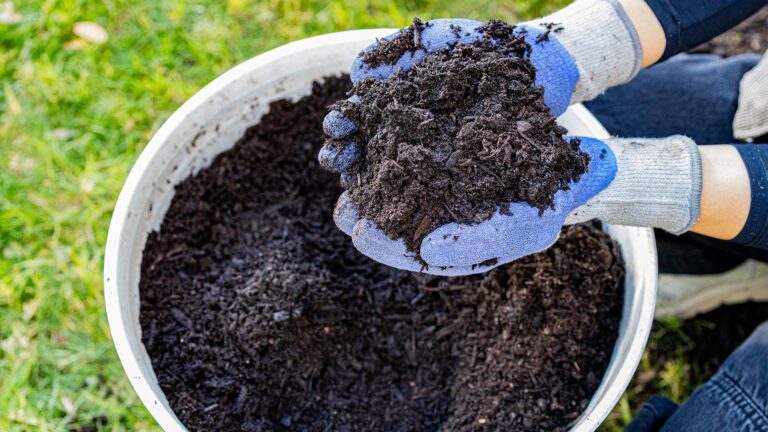
Living Mulch: Combines compost and hardwood mulch in one product, making it an option for beds where you want to add organic matter while maintaining the appearance and benefits of mulch.
A fall favorite: Living Mulch combines two useful materials in one application. Its compost component adds organic matter to the soil, while the hardwood mulch provides ground cover to help retain moisture and reduce weeds.
4. How Much Mulch Do You Need?
Before purchasing mulch, it's helpful to measure your landscape beds and determine how much coverage you'll need. The amount depends on the square footage of the area and the depth of the application. For most landscape beds, plan for a 2- to 4-inch layer of mulch, depending on the existing conditions and the needs of the area. Here's an estimate of how much mulch you'll need for every 1,000 square feet:
For every 1,000 square feet, you'll need approximately 6.2 cubic yards (84 bags) for a 2-inch layer, 9.3 cubic yards (125 bags) for a 3-inch layer, or 12.3 cubic yards (167 bags) for a 4-inch layer of mulch.
For smaller projects, bagged mulch can be a convenient option. For larger landscape beds or multiple areas, purchasing mulch in bulk may be more practical. Garden-Ville offers bulk mulch at its Central Texas locations, with yard teams available to help load your truck or trailer. Not sure how much you need? Use the mulch calculator on our Hardwood Mulch product page to estimate the amount needed for your project.
5. How Do You Spread Mulch Properly?
Once you've selected your mulch and calculated how much you'll need, it's time to get started. A few simple steps can help ensure an even application:
1. Prepare the area. Remove weeds, fallen leaves and other debris from the landscape bed before applying mulch.
2. Apply an even layer. Spread mulch approximately 2 to 4 inches deep, distributing it evenly across the soil.
3. Keep space around plants. Avoid piling mulch directly against tree trunks or plant stems. Leave a few inches of clearance to help prevent excess moisture from collecting around the base.
4. Water the area if needed. Watering the bed after application can help settle the mulch into place.
5. Check throughout the year. Organic mulch naturally breaks down over time. Check the depth each spring and fall and add more as needed.
6. Do You Need to Remove Old Mulch Before Adding New Mulch?
Not necessarily. Organic mulch gradually breaks down and becomes part of the soil, so in many cases, you can simply add a fresh layer over the existing material. Before adding more, loosen any compacted mulch and check the overall depth of the bed. If the existing layer is still sufficient, there's no need to add more. If the mulch has become heavily matted or the existing layer is already too deep, remove some of the material before applying a fresh layer. The goal is to maintain adequate coverage without creating excessive buildup around plants and trees.
Find the Right Mulch for Your Next Project
Whether you're refreshing a few landscape beds or tackling a larger landscaping project, Garden-Ville has mulch options to help you get started.
Garden-Ville offers bagged and bulk mulch at locations in Georgetown, Creedmoor, Bee Cave, San Antonio, Converse and Victoria. Product availability can vary by location, so contact your nearest yard before visiting for bulk materials.
Ready to get your landscape beds ready for the season? Explore Garden-Ville's selection of mulches and find a location near you.
Frequently Asked Questions About Fall Mulching
Is fall a good time to mulch in Texas? Yes. October and November are good times to refresh landscape beds in Central Texas. Applying mulch before the first freeze helps protect the soil, retain moisture and reduce weed growth throughout the cooler months.
How deep should mulch be? A 2- to 4-inch layer is generally recommended for landscape beds. Avoid applying too much mulch or piling it directly against tree trunks and plant stems.
Does mulch protect plants during a freeze? Mulch helps insulate the soil and protect plant roots from temperature fluctuations, but it does not protect leaves or exposed plant growth from freezing temperatures. Cold-sensitive plants may need additional protection during a hard freeze.
What should I use around vegetable gardens? Compost is a useful addition to vegetable gardens because it contributes organic matter to the soil. Garden-Ville's Eco Thrive compost is designed for use in vegetable gardens, flower beds and raised beds. Follow application recommendations for your planting area.
Is bulk mulch cheaper than bagged mulch? Pricing varies by product and location. Bulk mulch can be a practical option for larger projects, while bagged mulch offers convenience for smaller areas. Contact your nearest Garden-Ville location for current pricing and availability.